Column · @damientgvi057
Gutter Cleaning Hackettstown: Key to Preventing Structural Damage

Most homeowners do not think much about their gutters until they see water where it does not belong. A dark stain creeping down the siding. Soil washed out of a flower bed. Ice building up at the roof edge in January. A damp corner in the basement after a heavy rain. By the time those signs appear, the problem has usually been developing for a while.
In Hackettstown, gutters do more than keep rain off your head at the front door. They manage how thousands of gallons of water move around your house every year. When they work properly, they channel roof runoff safely away from the structure. When they clog, sag, or overflow, that same water starts looking for weak points. It seeps along fascia boards, pools around foundations, loosens shingles, and saturates the soil that supports walks, patios, and basement walls.
That is why Gutter Cleaning Hackettstown is not just a seasonal chore. It is basic structural protection. In a region that sees steady rain, autumn leaf fall, spring pollen, and winter freeze-thaw cycles, clean gutters are part of keeping a house sound.
What gutters are really protecting
People often describe gutters as drainage accessories, which undersells their job. A roof sheds water fast. Even a moderate storm can produce a surprising volume of runoff, especially on a larger colonial or ranch with broad roof planes. All of that water drops to the roof edge first. Without a functioning gutter system, it falls straight to the ground next to the house, splashing dirt against siding, eroding mulch beds, and overloading the soil beside the foundation.
A properly pitched and clean gutter intercepts that flow and carries it to downspouts, where it can discharge several feet from the house. That controlled path protects several vulnerable parts of the building at once.
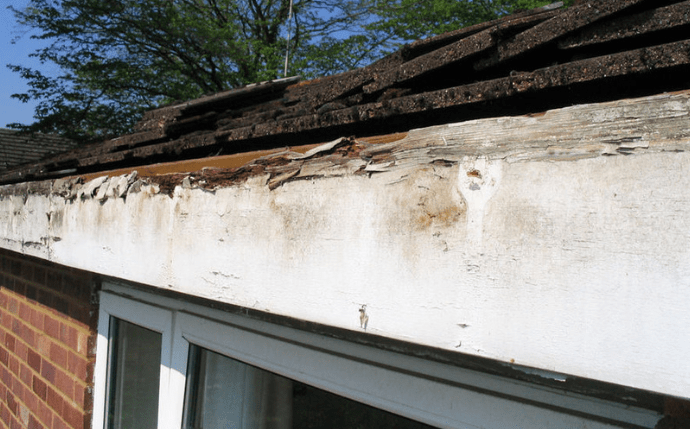
The fascia board is one of the first at-risk components. When a gutter fills with leaves and standing water, moisture lingers against the wood behind it. Over time, paint blisters, wood softens, and fasteners loosen. I have seen fascia that looked acceptable from the driveway but crumbled at a screwdriver touch once the gutter came off.
Roof edges take a hit too. Water trapped in clogged gutters can wick back under the first course of shingles. In winter, that trapped water may freeze, adding weight and creating ideal conditions for ice dams. The result is not always dramatic at first. Sometimes it starts as a small interior stain in an upstairs bedroom, then turns out to be a roof edge issue tied directly to neglected gutters.
Then there is the foundation. This is where the stakes get expensive. Repeated overflow dumps concentrated water next to the footing. If the grading is imperfect, and it often is, that water can work its way toward basement walls or crawl spaces. A homeowner may blame an old home, a wet season, or bad luck, when the real culprit is runoff pouring over the same clogged section every storm.
Why Hackettstown homes are especially vulnerable
Local conditions matter. Gutters in a dry climate face one kind of wear. Gutters in northwestern New Jersey face another. Hackettstown properties often have mature trees, mixed weather patterns, and older homes with details that need regular care. That combination makes gutter maintenance more important than many people realize.
Fall is the obvious season for buildup. Leaves from maples, oaks, and other shade trees collect fast, especially in valleys and near inside corners of the gutter line. But the trouble does not stop when the leaves drop. In spring, seed pods, blossoms, and gritty roof debris start moving. Summer storms can wash shingle granules and twigs into downspouts. By winter, any blockage left behind can hold water long enough to freeze solid.
Older neighborhoods add another layer. Many houses in and around Hackettstown have aging fascia, legacy gutter installations, or additions that changed roof drainage patterns. A new porch roof tied into an older gutter run can push more water into a section that was barely adequate to begin with. Even homes that look modern from the curb may have hidden drainage weak points because gutters are rarely upgraded unless there is a visible failure.
That is one reason the phrase Gutter Cleaning Hackettstown should be understood as preventive maintenance, not cosmetic upkeep. You are not cleaning for appearance. You are reducing the chance that local weather and accumulated debris will turn runoff into a structural problem.
The quiet ways clogged gutters cause structural damage
Structural damage rarely begins with a dramatic collapse. It usually starts small and repetitive. Water overflows from one low spot during every rain. The splash lands in the same area near the foundation. The soil compacts and settles. The mulch shifts. The basement wall behind that area stays a little damper than it should. Months later, there is efflorescence on the masonry or a musty smell after storms.
That repetition is what makes gutter neglect costly. One overflow event may not matter much. Fifty do.
Wood rot is one of the most common outcomes. Gutters packed with wet debris become long troughs of moisture. That moisture transfers to fascia, soffits, rafter tails, and trim. Once paint or sealant is compromised, wood begins to decay. Carpenters know this pattern well. A homeowner calls about replacing gutters, and the project turns into fascia repair because the wood underneath has been wet for years.
Masonry and concrete suffer too, though more slowly. Water that repeatedly spills over the same edge can stain brick, widen mortar joint deterioration, and accelerate cracking in walkways. If discharge is poor, splashback may also mark lower siding and window trim. Homes with basements often show the consequences indoors first, even though the problem started outside at the roofline.
There is also the issue of weight. A gutter full of wet leaves, sludge, and standing water is heavy. Add ice, and that load climbs fast. Hangers loosen. The pitch changes. Seams separate. At that point, even if the clog is removed, the gutter may no longer drain correctly because the system has been physically distorted.
Warning signs homeowners miss
Some warning signs are easy to see from the ground, but many homeowners do not know what they are looking at. A gutter does not need to fall off the house to signal trouble.
Water spilling over the front lip during rain is the clearest clue. If water pours in sheets instead of entering a downspout, there is likely a blockage or a pitch problem. Sagging sections are another strong indicator. A gutter should look crisp and even along the roof edge. If it dips in the middle or pulls away from the fascia, debris and water weight have probably already taken a toll.
Staining tells its own story. Dark streaks on siding below gutters, green algae near overflow points, and muddy splash marks around the foundation all suggest that runoff is escaping where it should not. In colder months, thick icicles along one section of gutter can indicate trapped water freezing in place rather than draining properly.
Inside the house, the clues become more indirect. A damp basement corner after storms, peeling paint near upper windows, and unexplained moisture around the top of exterior walls can all trace back to poor roof drainage. Homeowners often assume those symptoms belong to separate issues. Sometimes they do. Just as often, clogged gutters are part of the chain.
Timing matters more than people think
There is no single perfect cleaning schedule for every house in Hackettstown. The right frequency depends on roof design, tree cover, gutter size, and the condition of the surrounding property. A house surrounded by mature oaks may need attention more often than a home in a more open lot. A steep roof that sheds debris quickly behaves differently from a low-slope section over a porch where leaves tend to sit.
Still, a pattern works well for many local homes: one thorough cleaning in late fall after most leaves have dropped, and another in spring to clear winter residue and prepare for heavy warm-weather storms. Some homes need a midsummer check, especially if nearby trees shed seeds, helicopters, or small twigs in volume.
Waiting until there is an obvious clog is risky. By then, water has likely been overflowing already. Maintenance works best when it gets ahead of visible failure. It is similar to servicing a furnace before it stops heating, not after the house goes cold on a January night.
Why DIY often misses the real problem
Homeowners can and do clean their own gutters, and in some simple one-story situations that may be reasonable. But many DIY cleanings are partial. Leaves get scooped out, the visible sections look better, and everyone assumes the system is fine. Then the next hard rain reveals that one downspout was still packed solid or one rear corner was pitched wrong all along.
The danger is not just the ladder, though ladders are a serious concern. The bigger issue is incomplete diagnosis. A true gutter service does more than remove debris. It checks how water is actually moving through the system. It looks at hanger spacing, seam integrity, end caps, pitch, discharge points, and the condition of the fascia behind problem areas.
I have seen homes where the front gutters looked clean enough from a ladder, but the buried downspout extension at grade had clogged with roof grit and roots. The homeowner kept cleaning the gutter itself and never solved the overflow. In another case, a two-story section had been reattached after a storm, but the installer left a subtle back-pitch near an inside corner. Water sat there after every rain, quietly rotting the fascia. The leaves were not the whole problem. The geometry was.
That is why experienced Gutter Cleaning Hackettstown providers tend to approach the work as drainage inspection, not just debris removal.
The relationship between gutters and foundation health
If you ask contractors where neglected gutters cause the most expensive damage, many will point to foundations and basements. The connection is direct. Roof water that should be carried away ends up saturating the soil next to the home. When that happens repeatedly, hydrostatic pressure can build against basement walls. Even if the wall itself remains sound, joints, small cracks, and penetrations become more vulnerable.
Soil movement is another concern. Excess moisture changes soil behavior. Some soils expand when wet and shrink as they dry, placing cyclical stress on foundations, stoops, and adjacent slabs. You may not see a dramatic structural shift from one wet season, but long-term poor drainage contributes to settlement patterns that are difficult and expensive to correct later.
Hackettstown homeowners with finished basements should take this especially seriously. Flooring, drywall, insulation, and stored belongings do not tolerate repeated moisture. A small drainage problem outside can become a major indoor repair bill once water starts entering occupied space.
What good gutter cleaning actually includes
A solid service visit should leave the entire drainage path working, not just the visible channel at the eaves. At a minimum, the crew should remove built-up debris from gutters, clear downspouts, and verify that water flows freely from roof edge to discharge point. If a system cannot be flushed effectively, that usually means there is a hidden blockage or a structural issue worth addressing.
Good technicians also notice secondary problems while they work. Loose spikes, separated joints, standing water after cleaning, rust at seams, and detached splash blocks are all signs that simple cleaning may not be enough. Homeowners benefit when those issues are identified early, before they trigger carpentry or waterproofing repairs.
This is also the moment to evaluate whether guards make sense. Gutter guards can help in some settings, especially where large leaf volume overwhelms open gutters. But they are not universal fixes. Some designs handle broad leaves well and struggle with fine debris from seed pods or asphalt shingle grit. Others reduce cleaning frequency but still require inspection. The right answer depends on the trees, roof material, and expectations for maintenance.
When cleaning is not enough
Sometimes a clogged gutter is just a symptom. If the system is undersized, installed with poor pitch, or discharging too close to the house, even regular cleaning will not fully solve the problem. This is common on older homes where gutter runs were pieced together over time or where additions changed the amount of water entering each section.
Homes with steep roof planes can overwhelm small gutters during intense storms. Valleys that empty into short sections often need special attention because they concentrate runoff. If one corner repeatedly overflows despite being clean, that area may need redesign, not another cleaning.
The same goes for downspouts. A house may have enough gutter capacity but not enough downspout capacity, or the outlets may send water into places where drainage is poor. Extending discharge farther from the foundation often makes a noticeable difference, especially on lots with minimal slope away from the house.
An experienced eye can usually tell when maintenance has reached its limits and correction is needed. That judgment saves money because it prevents homeowners from paying for repeated cleanings that never address the root issue.
Choosing the right season to act
Many people wait until late fall because falling leaves are visible and familiar. That is reasonable, but it should not be the only checkpoint. Spring matters just as much in many cases. Winter can leave behind compacted debris, ice-related shifts, and hidden damage to seams or hangers. Clearing the system before spring storms gives the house its best chance to handle heavy rain properly.
If you have ever noticed a gutter overflowing during a summer downpour, do not wait for autumn out of habit. Water damage does not care what the calendar says. A midseason service is far cheaper than repairing fascia, repainting water-streaked siding, or drying out a basement.
The long financial view
Home maintenance always involves choices. Some tasks are truly optional. Gutter cleaning is not one of them. The cost of routine service is modest compared with what can happen when runoff begins damaging wood, masonry, landscaping, and interior spaces.
Think about the chain of expenses a neglected gutter can start. First comes debris removal, then maybe a gutter reattachment. If that gets delayed, fascia repair enters the picture. Add paint work, possibly soffit replacement, maybe grading correction https://maps.app.goo.gl/VYbnNaG41GNeopNq7 around the foundation, and in a worst-case scenario, waterproofing or mold remediation in the basement. None of those are rare outcomes. They are common enough that seasoned contractors can often identify them from a quick walk around the exterior.
Regular Gutter Cleaning Hackettstown interrupts that chain near the start, when the fix is still simple.
A small system with a major job
Gutters do not get much respect because they sit quietly at the roof edge and spend most days doing nothing obvious. But when storms hit, they become one of the most important protective systems on the house. They control where water goes, how quickly it leaves, and whether it becomes a harmless runoff event or the start of a structural problem.
For Hackettstown homeowners, that makes gutter care a practical investment in the life of the building. Clean, properly draining gutters protect roof edges, preserve fascia and trim, reduce basement moisture risk, and help foundations stay dry and stable. Ignore them long enough, and water begins rewriting the house in expensive ways.
That is the real value of timely gutter cleaning. It is not about tidiness. It is about keeping water in its lane before it finds one of its own.
Just Gutters LLC
Address: 262 Main St, Hackettstown, NJ 07840
Phone number: +12013319454
FAQ About Gutter Cleaning Hackettstown
How much should a gutter clean cost?
Professional gutter cleaning typically costs between $163 and $333, with a national average of around $210 to $250 for a standard-sized home.
What months should you clean gutters?
You should clean your gutters twice a year—once in late autumn (November to December) and once in late spring (April to May).
Is it worth paying for gutter cleaning?
Yes, paying for gutter cleaning is worth it because it prevents thousands of dollars in water damage, roof leaks, and structural repairs.